Popular Articles

Digital Transformation Through System Integration
Modern digital evolution is no longer about adopting isolated cloud tools; it is about harmonizing a fragmented ecosystem into a single, fluid operational engine. For mid-to-large enterprises, the primary hurdle is "data siloing," where critical information remains trapped in legacy databases, CRM systems, and third-party SaaS. This guide provides a strategic roadmap for CTOs and IT directors to bridge these gaps, leveraging API-first strategies and middleware to drive measurable ROI and operational agility.
System

Real-Time Monitoring Systems Explained
This guide explores the architecture and strategic deployment of live observational frameworks designed to eliminate data latency in modern infrastructure. It addresses the critical need for immediate visibility in high-stakes environments—ranging from fintech to industrial IoT—where a five-second delay can result in thousands of dollars in lost revenue. By integrating telemetry, automated alerting, and distributed tracing, organizations can transition from reactive troubleshooting to proactive system resilience.
System
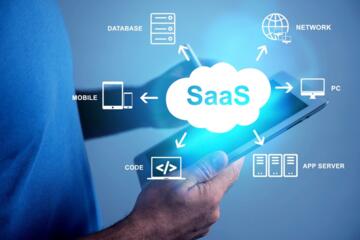
SaaS System Deployment Best Practices
Efficiently launching and scaling cloud-based software requires more than just pushing code to a server; it demands a robust orchestration of infrastructure, security, and automated delivery pipelines. This guide provides a strategic roadmap for engineering leads and CTOs to navigate the complexities of multi-tenant environments and continuous integration. By implementing these industry-validated frameworks, organizations can eliminate deployment bottlenecks, reduce churn caused by downtime, and ensure a seamless end-user experience across global markets.
System

Cloud Migration Step-by-Step Guide
Modernizing legacy infrastructure is no longer a luxury but a survival tactic for businesses facing 2026’s data demands. This guide provides a technical deep dive into shifting workloads from on-premises environments to scalable virtual ecosystems, specifically designed for CTOs and DevOps leads. We move beyond theory to address high-stakes challenges like data gravity, latency optimization, and cost governance. By the end, you will have a battle-tested framework to execute a seamless transition while avoiding the "cloud sprawl" that drains corporate budgets.
System

Security Risks in Legacy Systems
Legacy infrastructure remains the silent epicenter of modern enterprise vulnerability, where outdated codebases and unsupported hardware create invisible entry points for sophisticated threats. This guide provides a technical deep dive for CTOs and security architects into the mechanics of technical debt and its associated security liabilities. We explore how to identify architectural weaknesses, implement compensating controls like virtual patching, and execute phased modernization strategies that protect critical business assets without disrupting operations.
System

IT System Scalability Strategies
This guide explores high-velocity infrastructure engineering, focusing on how modern enterprises transition from rigid architectures to fluid, elastic environments. Designed for CTOs and Lead Architects, it addresses the critical challenge of maintaining sub-millisecond latency while handling exponential traffic spikes. By moving beyond basic resource provisioning, we examine how decoupling components and implementing intelligent orchestration prevents system collapse during peak demand.
System

Data Management Systems for Mid-Sized Firms
Mid-sized enterprises often struggle with "data sprawl"—a chaotic accumulation of disconnected databases, spreadsheets, and legacy software that stifles growth. This guide outlines how to transition from fragmented information silos to a unified ecosystem that supports rapid decision-making and AI readiness. By implementing modern architecture and governance, firms can unlock hidden operational efficiencies, reduce compliance risks, and gain a competitive edge previously reserved for global corporations.
System

Business Process Management Systems Overview
This guide explores the architectural shift from static operations to dynamic process management, designed for COOs, IT directors, and digital transformation leads. We address the systemic friction caused by siloed data and manual handoffs by implementing automated governance layers that synchronize human talent with software capabilities. By the end of this analysis, you will understand how to transition from "surviving the workflow" to engineering a scalable, high-velocity operational environment.
System

Workflow Automation Systems Compared
This guide provides a deep dive into streamlining business operations through automated logic, specifically tailored for CTOs, operations managers, and department heads. We examine how shifting from manual task management to integrated digital ecosystems eliminates human error and recoups thousands of lost labor hours. By comparing industry leaders and niche solutions, you will gain the clarity needed to select a stack that scales with your growth.
System

API Connectivity in Modern Systems
This guide explores the transition from monolithic silos to high-performance API ecosystems, designed for CTOs, lead architects, and digital product managers. We address the critical friction between legacy infrastructure and the demand for real-time data exchange. By implementing robust connectivity patterns, organizations can reduce integration latency by 40% and unlock scalable growth through standardized, secure, and observable interface management.
System