Beyond the Pedometer: The New Era of Bio-Integrated Tech
The landscape of wearable technology has undergone a fundamental transformation. We are no longer just tracking movement; we are monitoring the electrical activity of the heart, the oxygen saturation of the blood, and the variability of the nervous system in real-time. This shift represents a transition from "reactive" medicine—treating symptoms after they appear—to "proactive" bio-monitoring.
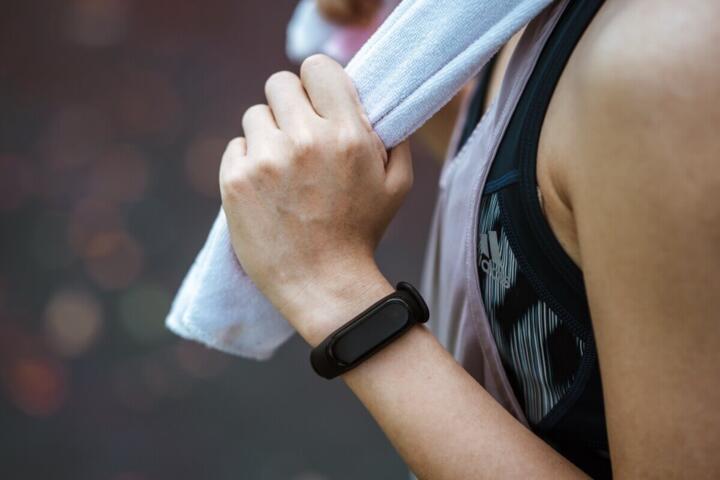
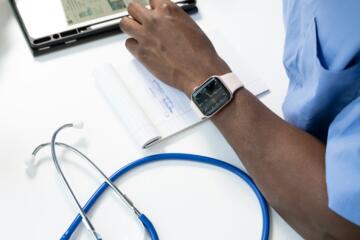
For instance, a modern smartwatch doesn't just tell you that you slept poorly; it uses photoplethysmography (PPG) sensors to detect respiratory disturbances that might indicate undiagnosed obstructive sleep apnea. In practice, this data allows a patient to walk into a GP's office with three months of continuous heart rate variability (HRV) trends, significantly shortening the diagnostic path.
The market reflects this urgency. According to Deloitte, the global shipments of wearable devices for healthcare reached over 440 million units recently, with a projected compound annual growth rate (CAGR) of 15% through 2030. This isn't just a trend; it is the digitization of the human body.
The Data Trap: Where Most Users Fail
The primary challenge with wearable health devices isn't a lack of data; it's the "Data-Information Gap." Most users collect massive amounts of biometric info but lack the literacy to interpret it, leading to "cyberchondria" or total abandonment of the device.
Misinterpretation of Metrics
Many users obsess over a single night’s "Sleep Score" or a momentary spike in heart rate. Without understanding the baseline—your body's unique "normal"—these numbers are meaningless. A high heart rate during a stressful meeting is a physiological response; a high resting heart rate over seven consecutive days is a clinical red flag.
The Accuracy Paradox
There is a dangerous tendency to treat wrist-based sensors as absolute truth. While devices like the Apple Watch Series 9 or Samsung Galaxy Watch 6 are FDA-cleared for ECGs, they are not replacements for a 12-lead hospital electrocardiogram. Relying solely on a consumer device to clear yourself of heart issues can lead to missed diagnoses if the user ignores physical symptoms because the "app said I’m fine."
Action Fatigue
Real-world situations often show users getting overwhelmed by notifications. When a device pings every 30 minutes to "stand up" or "breathe," the user eventually desensitizes. This leads to the "drawer effect," where the device ends up unused because it provided noise rather than signal.
Engineering Longevity: Strategic Implementation of Wearables
To move from tracking to improving, you must treat your wearable as a tool in a broader health stack. This requires a tiered approach to data analysis.
Establish a 21-Day Baseline
Do not look at your data for the first three weeks. Use this time to establish your "biometric signature." Your resting heart rate (RHR) and HRV are highly individual. What is "low" for an athlete might be "tachycardia" for another.
-
Why it works: It prevents false alarms caused by temporary lifestyle factors like a single glass of wine or a late-night workout.
-
Tools: Use Oura Ring Gen3 or Whoop 4.0 for passive, consistent baseline tracking without the distraction of a screen.
Focus on Recovery, Not Just Strain
The most sophisticated use of wearables today is monitoring the Autonomic Nervous System (ANS). By tracking HRV, you can determine if your body is in a sympathetic (fight or flight) or parasympathetic (rest and digest) state.
-
The Method: If your HRV drops 20% below your rolling 7-day average, reduce physical and cognitive load by 30% that day.
-
The Result: Studies show that HRV-guided training reduces the risk of overtraining syndrome and injury by up to 45% compared to fixed schedules.
Integration with Metabolic Monitoring
The "frontier" of wearables is the Continuous Glucose Monitor (CGM). Originally for diabetics, platforms like Levels or Nutrisense now allow non-diabetics to see how specific foods affect their blood sugar in real-time.
-
Practice: Wear a CGM for one month to identify "silent" glucose spikes from supposedly healthy foods like oatmeal or grapes.
-
Outcome: Stabilizing blood sugar levels can lead to a 20% increase in afternoon energy levels and better weight management.
Real-World Impact: Case Studies in Wearable Intervention
Case 1: Early Detection of Atrial Fibrillation (AFib)
A 54-year-old male executive used a high-end smartwatch with background heart rhythm monitoring. While sedentary, he received a notification for an irregular rhythm.
-
Problem: He was asymptomatic and would not have sought medical help otherwise.
-
Action: He used the built-in ECG feature to record a 30-second strip and sent the PDF to his cardiologist via the MyChart portal.
-
Result: The doctor confirmed AFib. The patient was started on anticoagulants, reducing his stroke risk by approximately 60%.
Case 2: Optimizing Employee Wellness in Tech
A mid-sized software firm provided Whoop bands to its 150 employees as part of a voluntary wellness program focused on sleep.
-
Problem: High burnout rates and 15% absenteeism due to stress-related illness.
-
Action: The company used aggregated, anonymous data to identify that 70% of the team was "in the red" (poor recovery) on Tuesdays following late-night Monday releases.
-
Result: They shifted release schedules to Tuesday mornings. Within six months, reported burnout decreased by 22%, and productivity metrics increased by 12%.
Precision Health Checklist: Choosing the Right Tool
Different goals require different sensor arrays. Use this checklist to align your device with your health priorities.
| Health Goal | Essential Sensors | Recommended Services/Devices |
| Heart Health | ECG (FDA-Cleared), SpO2, RHR | Apple Watch, Withings ScanWatch |
| Athletic Recovery | High-frequency HRV, Skin Temp | Whoop, Oura Ring |
| Metabolic Health | Interstitial Fluid Glucose Sensor | Libre 2 via Levels or Nutrisense |
| Sleep Optimization | Actigraphy, Respiratory Rate | Oura, Eight Sleep (Smart Mattress) |
| Chronic Disease | Blood Pressure (Cuff-based) | Omron Platinum, QardioArm |
Critical Errors to Avoid in Bio-Hacking
1. Ignoring the "Golden Hour" of Sleep Data
Most people check their sleep score the moment they wake up. If the score is low, they feel tired regardless of how they actually feel—a phenomenon known as "nocebo sleep."
-
Expert Tip: Assess your energy levels for 30 minutes before looking at your data. Use the data to validate your feelings, not dictate them.
2. Chasing 10,000 Steps
This is an arbitrary marketing number. For cardiovascular health, intensity matters more than volume.
-
Better Approach: Focus on "Zone 2" cardio—maintaining a heart rate where you can hold a conversation but are slightly breathless—for 150 minutes per week. Use your Garmin or Fitbit to track time spent in specific heart rate zones rather than total steps.
3. Data Siloing
Keeping your health data locked in a single app (e.g., only in the Fitbit app) prevents a holistic view.
-
The Fix: Centralize everything using Apple Health (iOS) or Google Fit (Android). Use third-party integrators like Terra or Exist.io to correlate your biometric data with weather, calendar events, and productivity.
FAQ: Navigating the Wearable Landscape
Are wearable blood pressure monitors accurate?
Wrist-based blood pressure monitors are generally less accurate than upper-arm cuffs. However, newer models using "transdermal optical imaging" or inflatable wrist bands (like the Omron HeartGuide) are reaching clinical standards, though they require frequent calibration.
Can wearables really detect COVID-19 or the flu early?
Yes. Research from the Scripps Research Translational Institute showed that changes in RHR, sleep, and activity levels can predict viral onset up to 2.5 days before symptoms appear. A sudden spike in RHR (e.g., +10 bpm) and skin temperature is a strong signal to take a test.
How do I protect my health data privacy?
Always check if the provider is HIPAA-compliant or GDPR-compliant. Opt-out of "Research Data Sharing" in the app settings. Devices that store data locally or use end-to-end encryption for cloud syncing are preferable.
Should I wear my device 24/7?
For the best results, yes. Wearables rely on "trend analysis." If you only wear a watch during workouts, you lose the vital "Resting Heart Rate" and "Sleep Variability" data that indicates overall systemic health and recovery.
Do I need a subscription for these devices to work?
Many premium brands, such as Whoop and Fitbit (Premium), require monthly fees to unlock deep analytics. If you prefer a "buy once, own forever" model, look toward Garmin or Withings, which provide most data without a recurring paywall.
Author’s Insight: The Human Element of Data
In my years tracking biometric trends, I’ve found that the most successful users are those who view their wearable as a "check-engine light," not the engine itself. I personally use a combination of a ring for sleep and a chest strap (Polar H10) for high-intensity workouts because wrist sensors often fail during heavy arm movement. The real "aha!" moment happens when you stop looking at the daily score and start noticing that your HRV drops every time you eat dinner after 8:00 PM. That insight is worth more than any fancy graph; it’s a direct instruction for lifestyle change.
Conclusion
The rise of wearable health devices is a shift toward personal sovereignty in healthcare. To get the most out of this technology, prioritize devices that offer high-frequency HRV sampling and FDA-cleared heart monitoring. Start by establishing a three-week baseline, focus on recovery metrics rather than just activity, and ensure your data is centralized for clinical review. By treating your biometrics as a long-term asset rather than a daily high score, you turn a simple gadget into a powerful tool for life extension.